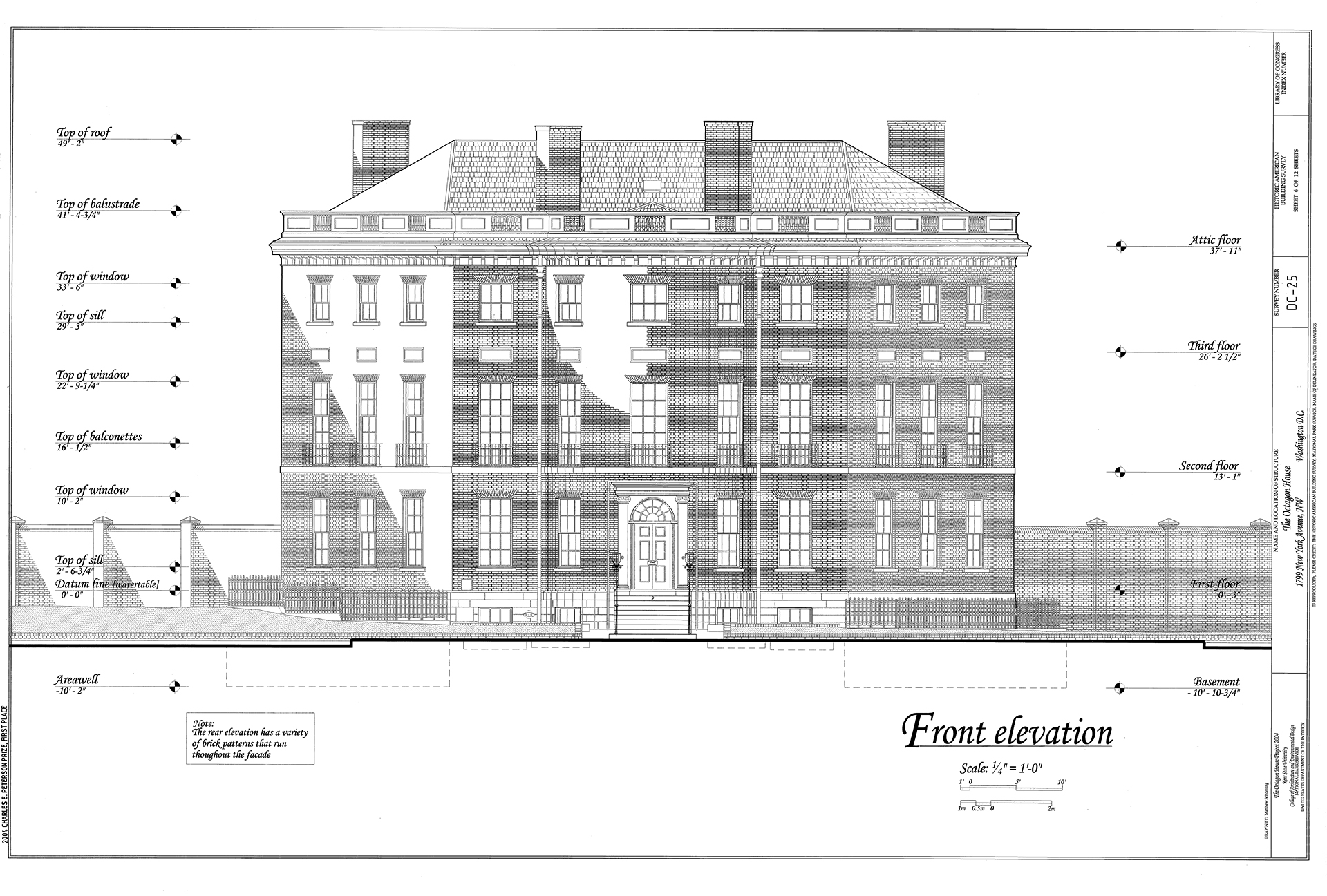
Designed by Dr. William Thorton, first Architect of the Capitol.
The Architects Foundation understands its solemn responsibility as the caretaker of The Octagon, its story, and its power to challenge future generations of design leaders. No organization is better positioned to lead a campaign to reimagine the role of The Octagon as the epicenter of the profession’s efforts to confront and address critical issues of our day.
In its recently adopted strategic plan, the Foundation’s Board of Directors, comprised of national leaders in the field, endorsed The Octagon Campaign as a significant priority. The Foundation will also continue investment in its Diversity Scholars program, emerging professionals awards, and Communities by Design program. Combined, these programs demonstrate the industry’s commitment to service through design.

Its story is quintessentially American, one that demonstrates toil and triumph. It is a fitting space today to ask ourselves hard questions about American life in the future and consider how architects can impact the answers. Whose traditionally untold stories should be lifted? How do we build safe and equitable communities? How can we affect climate change through sustainable building practices? These are just some of the questions The Octagon begs us to answer.
Like its distinctive structure, The Octagon will preserve and promote design history from all sides equally and equitably. It serves as an illustration of the intersections of history, culture, democracy, and the contemporary social and architectural issues of Washington, DC, and beyond.
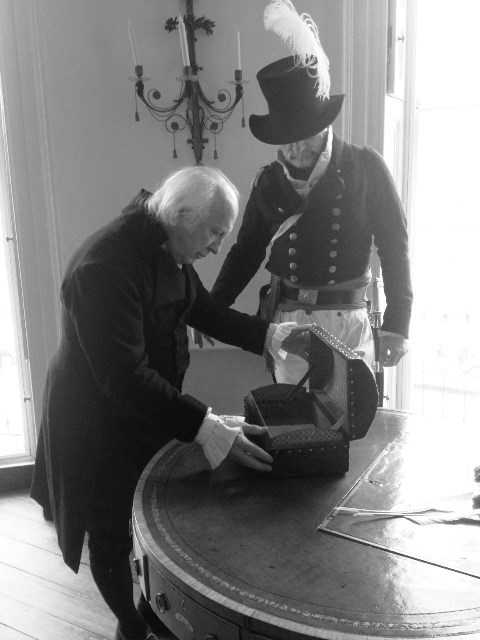


Closely tied to our nation’s history since its construction in 1799, The Octagon symbolizes power and influence in Washington, DC. It was designed by Dr. William Thorton, the first Architect of the Capitol, for the prominent Tayloe family of Virginia as a conspicuous statement of support for the newly established capital city. It was a social center of its day and even served for six months as the “temporary White House” for President James Madison after the 1814 Burning of Washington. President Madison ratified the Treaty of Ghent, ending the War of 1812, in the upstairs study.

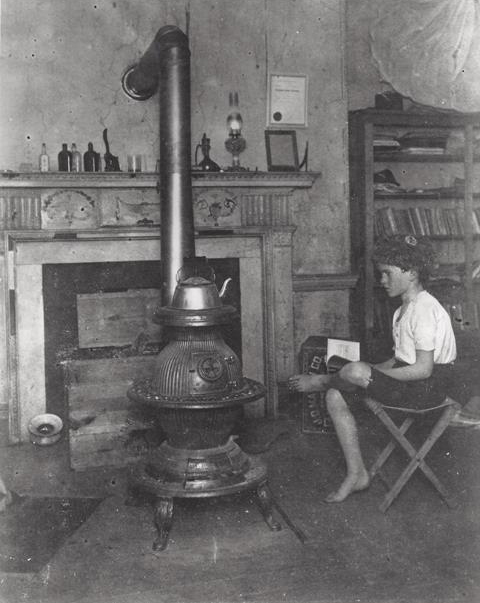
By the 1850s, the neighborhood around the house had changed significantly as factories and breweries filled the Foggy Bottom waterfront. The Tayloe descendants rented the house, first to a Catholic girls’ school and later to the federal government for office space. By the 1880s, the building housed numerous low-income families as a tenement.
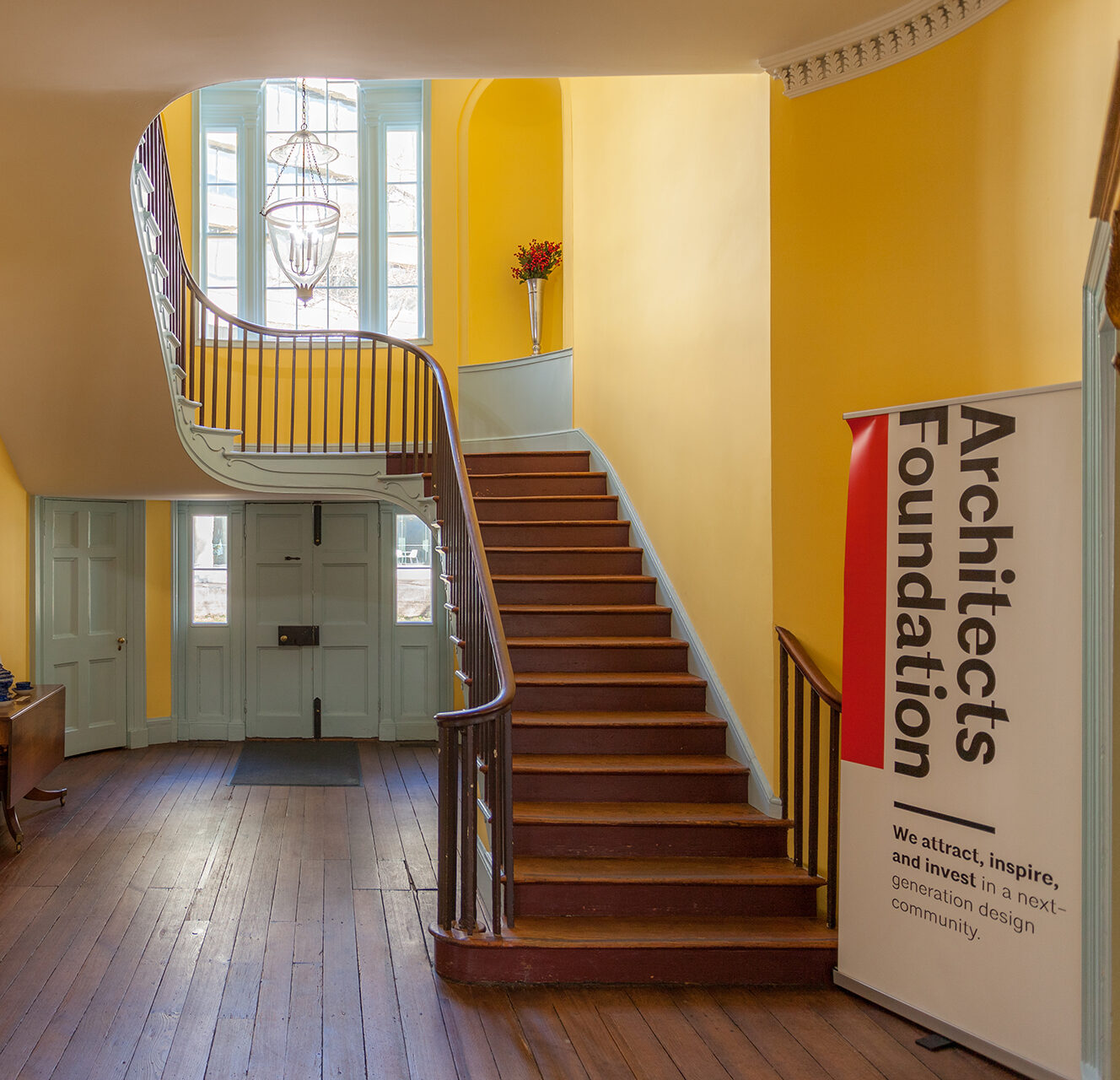
The AIA recognized the national significance of the building, as a magnificent example of early 19th-century architecture, and established its national headquarters on-site in 1898. The restoration that followed was one of the country’s earliest preservation projects. It was declared a National Historic Landmark in 1960. The Architects Foundation acquired The Octagon in 2009. Today it serves as the front door to the AIA campus and is maintained as a house museum, presenting a snapshot of American life in 1817. It tells the story of a significant social family of the day and the enslaved people who lived and worked in the building.
You can help us transform communities into sustainable, equitable, safe places to thrive.